

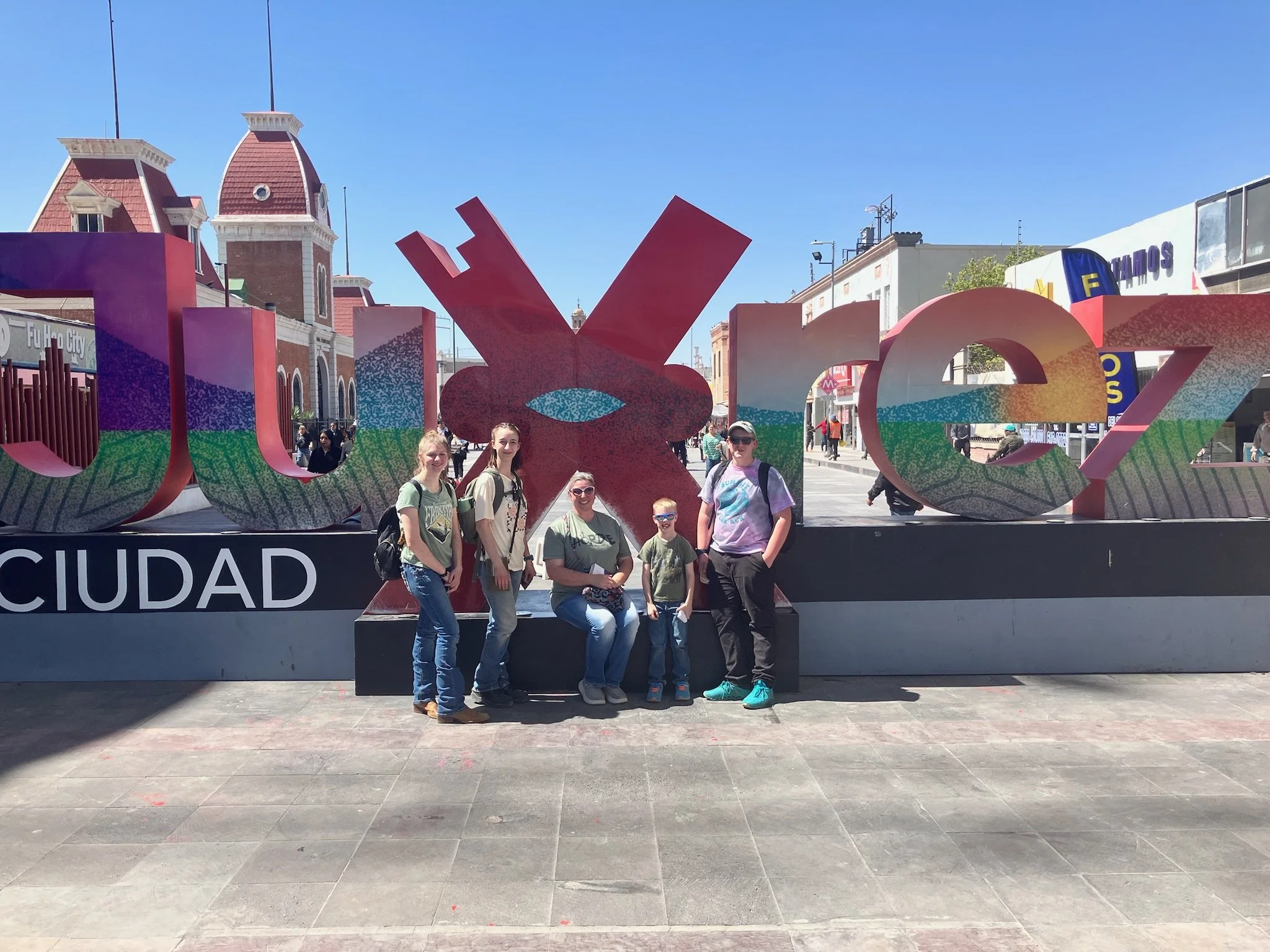
Mission Trips
So, you are looking for information on a mission trip, but do not know where to start. If you will take the time to read through this page, we promise you will have a better idea of what a mission trip looks like in Juarez and how to proceed. We are eager to help you with praying, planning, and preparing. Please contact Spence with any additional questions or ideas.
What is a Mission Team?
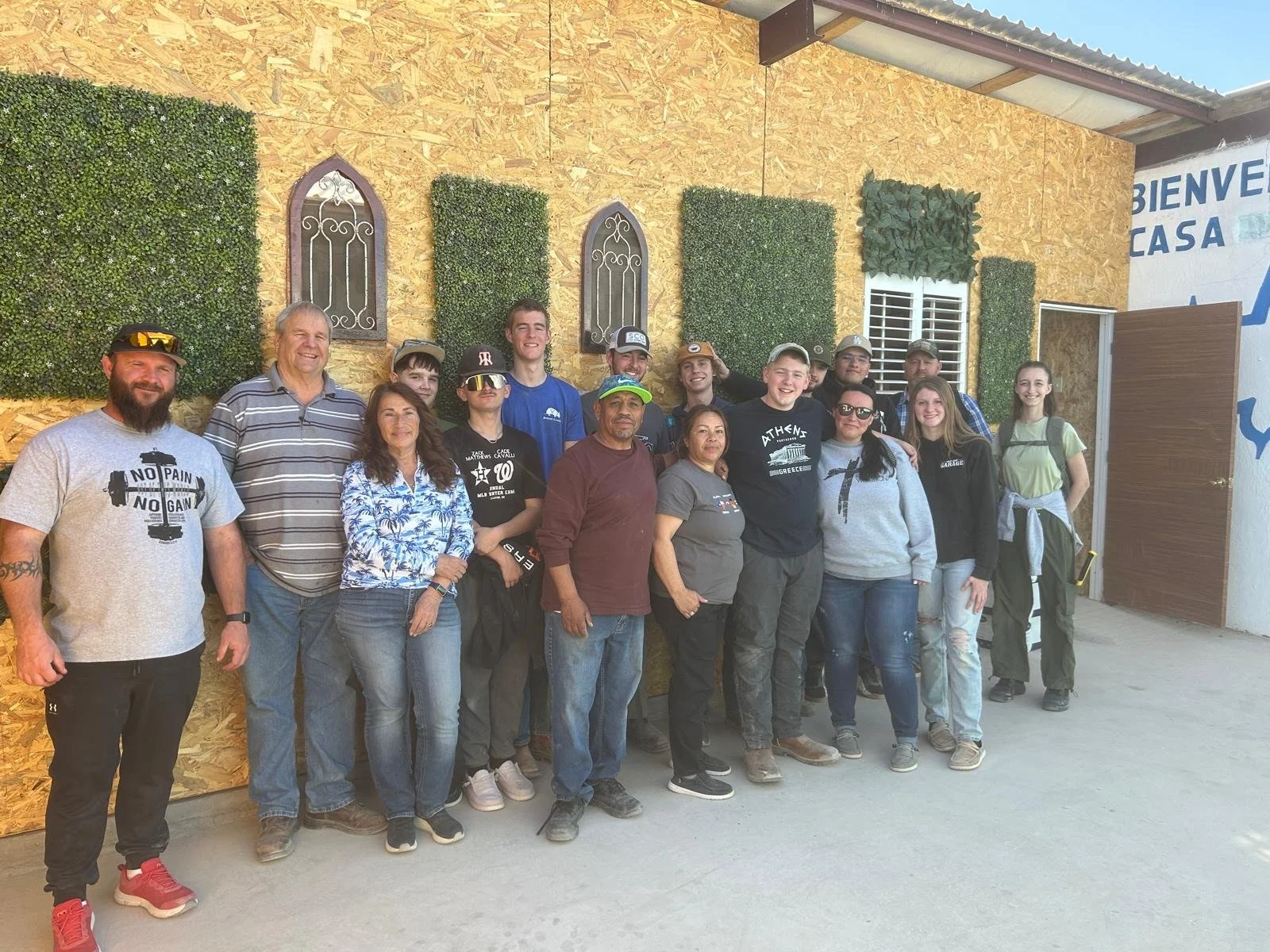
A mission team is not a set number of people. A mission team can be an individual, a couple, a family, or a group. A team can be co-workers, friends, a Church group, a Bible study group, or a local organization. Different people can come together to form a team, and no number is too small.
We find that each team performs better with a single point of contact. A team leader helps facilitate the logistics and planning between the team and us on the field. The team leader also helps funnel information and provide leadership to the team before, during, and after the trip.
Given the culture, climate, and conditions in Juarez, we do have some parameters to keep in mind when considering names and faces for a team…
All adults are required to have a current passport for travel to and from Juarez.
Children and teenagers may travel with a birth certificate if accompanied by a parent, but passports are preferred.
Any child under 16 must be accompanied by at least one parent on the trip and must stay with them while in Juarez.
Any teenager, ages 16-17, without a parent on the trip, must have written permission from a parent and their guardianship assigned to another adult on the team.
Young children and teenagers are allowed, but parents are responsible for their care and supervision.
How much does a Mission Trip cost?
The cost of a trip vastly depends on the team. Preferences for lodging, transportation, service projects, and meals are variables that affect costs. Different teams prefer different accommodations, so the costs vary from team to team. Additionally, the number of days on the field and the mode of transportation to Juarez are factors in cost considerations. Spence is happy to discuss with you the costs, details, and availability of ideas or suggestions that you might have for a team.
As a starting point, here are some standard costs and inclusions we charge and provide:
Basis cost per day per person:
Birth-7 years = $15 per day
8-14 years = $45 per day
15-99 years = $75 per day
Included per day
Transportation
3 meals and snacks
Lodging in Mexico with an existing partnership
Water and hydration fluids
Translators
Field staff to assist and guide each day
The costs can increase if the team wishes to stay in hotels, either in Mexico or El Paso, if the team wishes to dine at specific restaurants, if the team requires additional transportation or translators, or if the team has additional needs beyond the basic day. We can lower per-day costs by adjusting lodging, translators, or food service, but this depends heavily on the team's tolerance and experience.
We also ask teams to cover the costs of their service projects. Different projects are explained below, but we ask each team to factor that into their overall cost planning.
Each team is different, and we are happy to work on each request or need as we become aware of it. We will be good stewards of the team’s financial investment in the trip, and we ask that each team accept that many of the costs are beyond our control.
How does a Mission Team travel, sleep, and eat?
We are happy to help with travel plans to and from El Paso, but our standard service is that we pick up the Mission Team in El Paso, TX, and then move as a group into Juarez. Additionally, at the end of the trip, we move out of Juarez back into El Paso and then send the team off on their journey back home from there. Here are some more details about the big 3:
Transportation
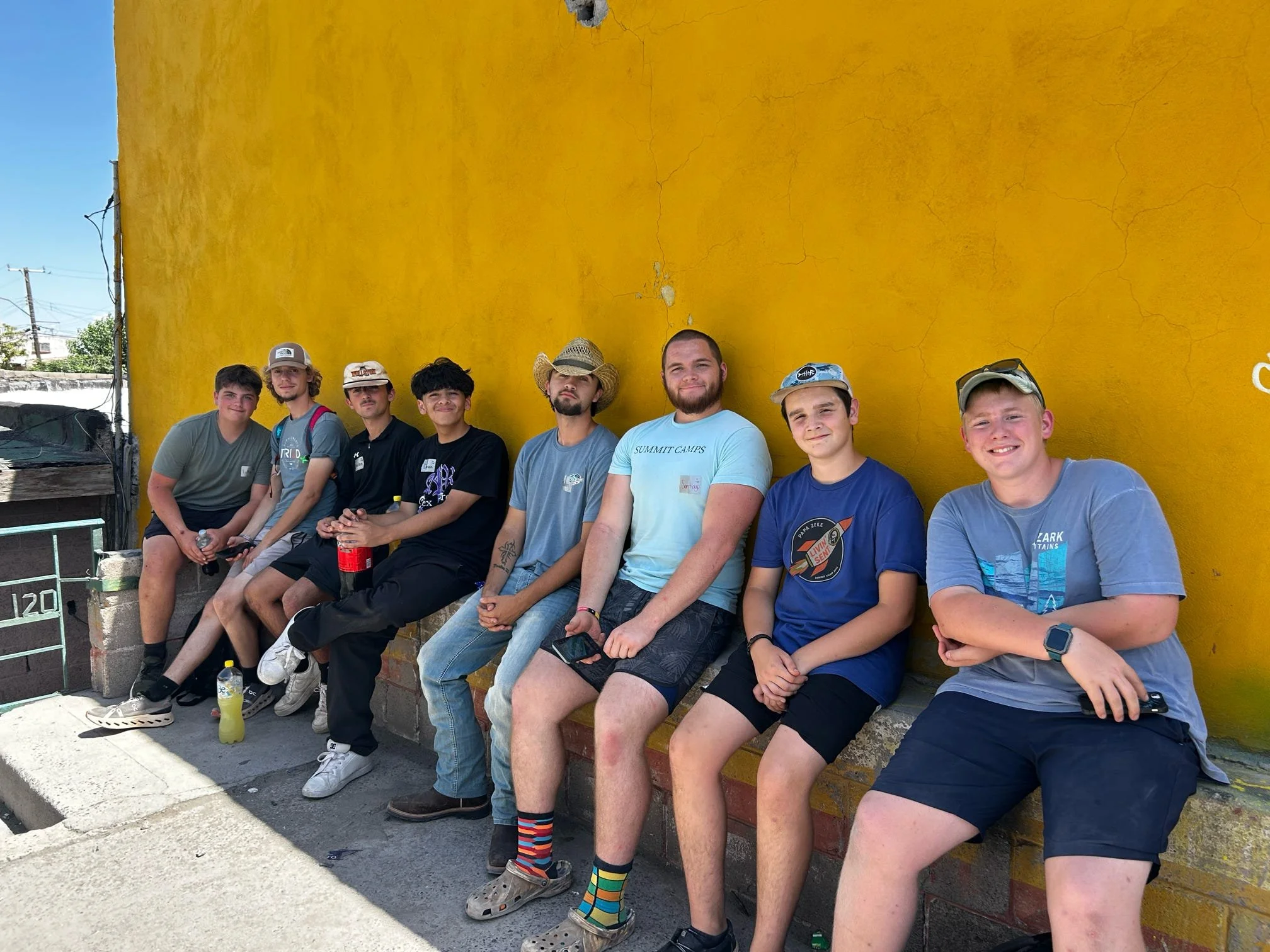
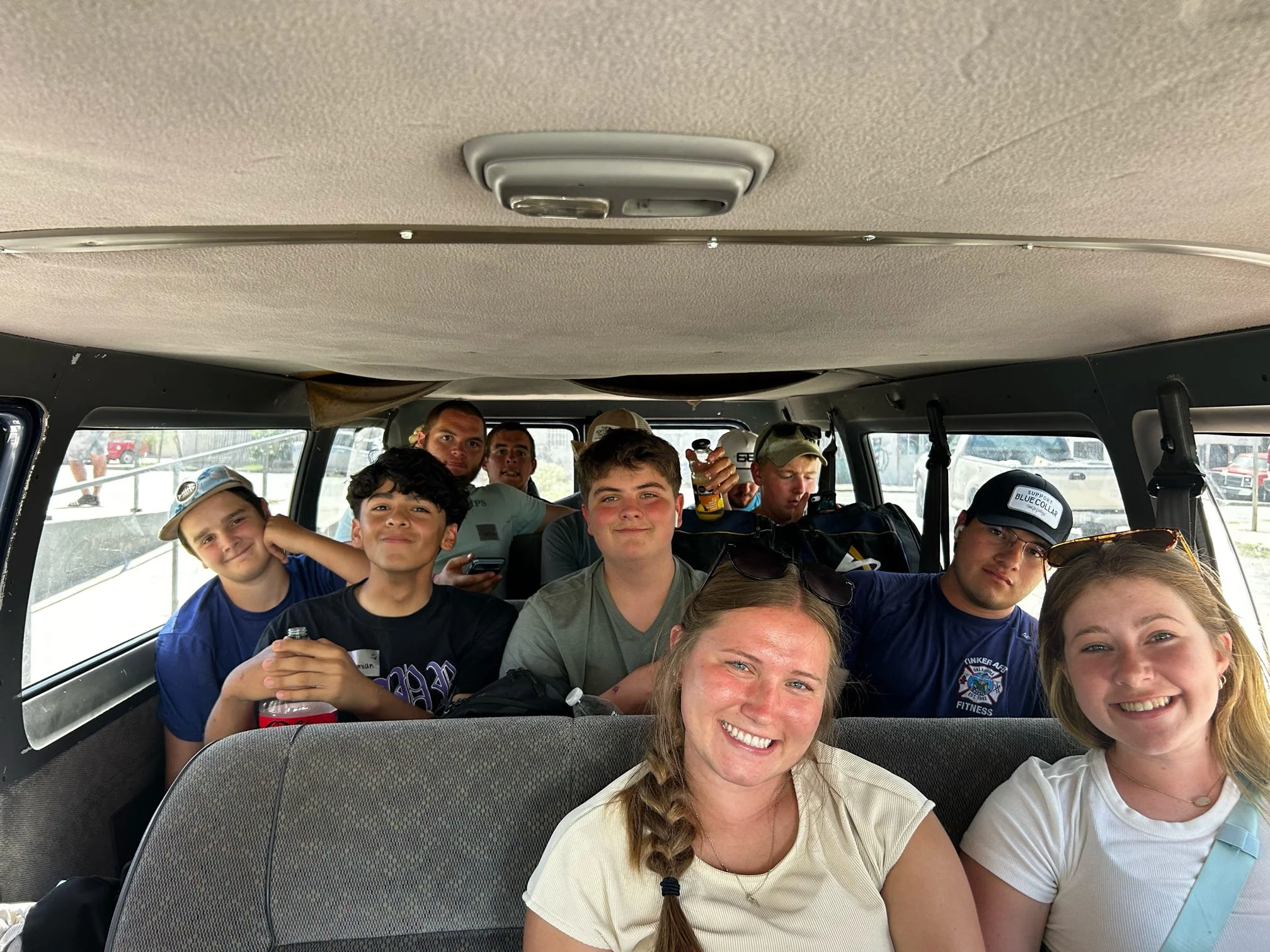
We move teams into and around Juarez in 15-passenger vans and other vehicles. Our vehicles are insured for Mexico and sufficient for moving teams around the city. People movers, buses, or other larger vehicles are discouraged because they are harder to navigate the city’s streets and neighborhoods. Our preference is for teams to utilize the ministry’s transportation, but we have had Churches bring their own. If a team wishes to bring their own transportation to use in Mexico, please talk with Spence to discuss the requirements and details to consider.
Food
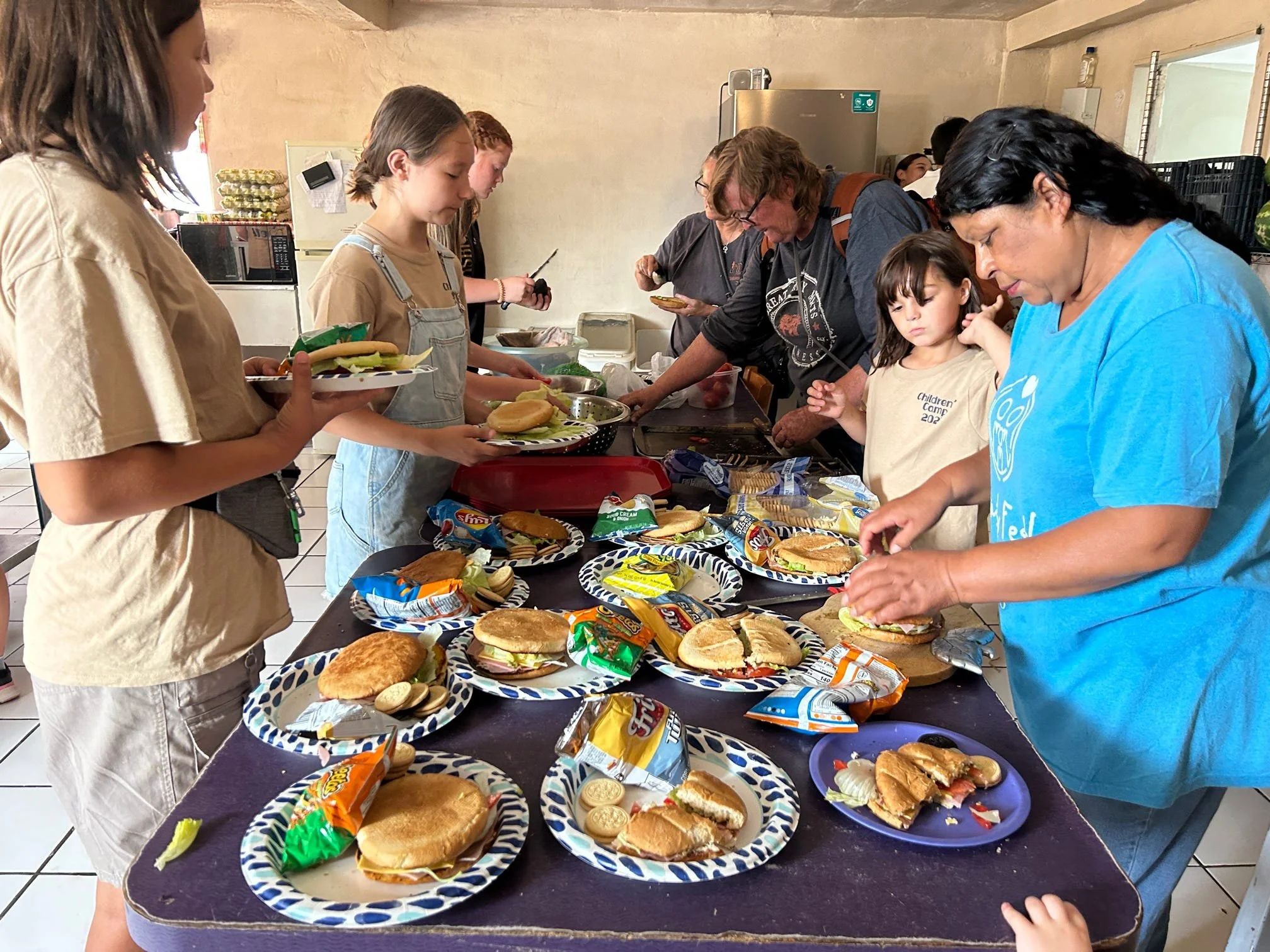
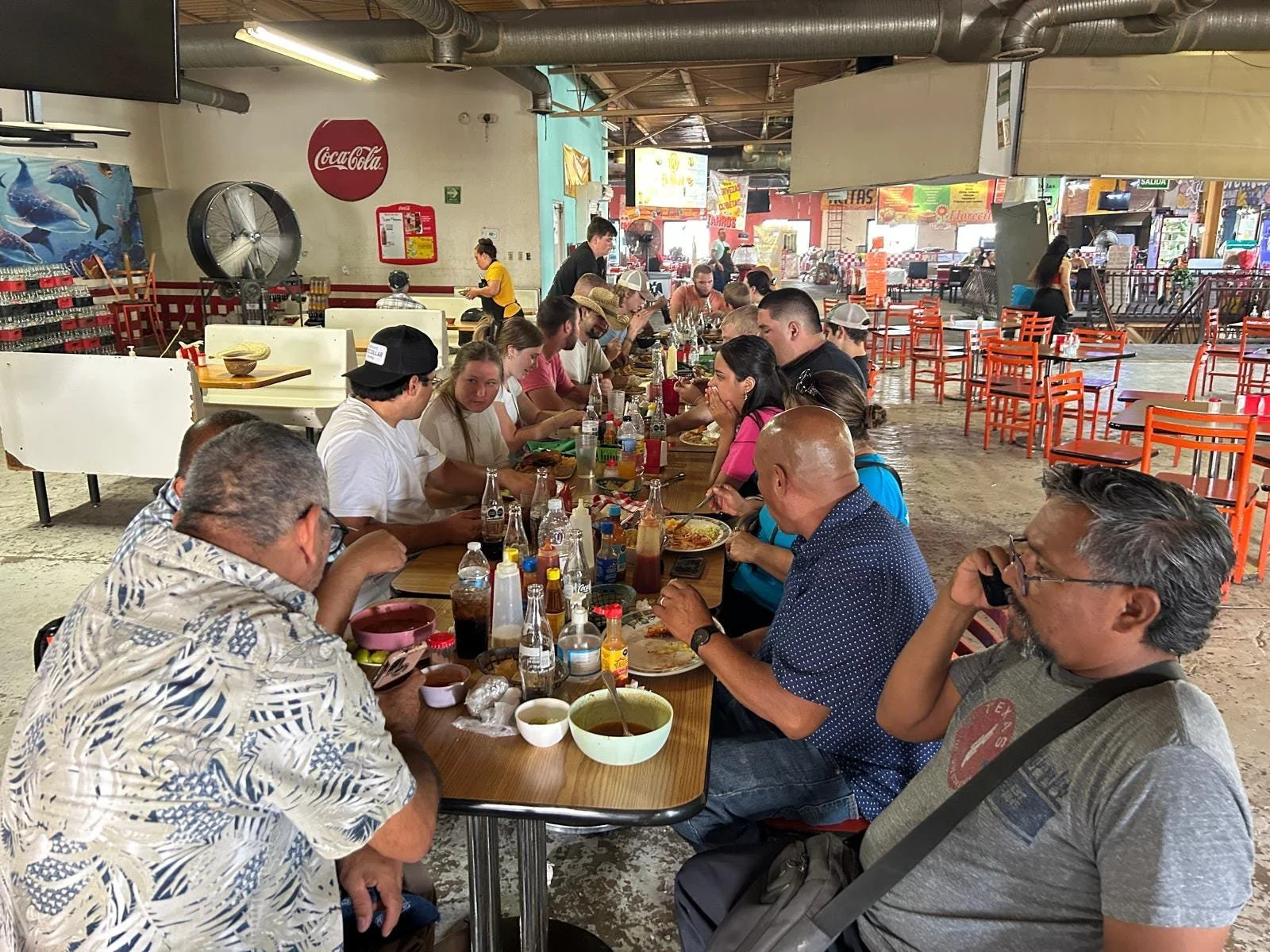
A typical day starts with a continental breakfast. Lunch is typically a sack lunch prepared by each team member during breakfast time. Supper is either provided at a local restaurant or a local ministry partner in the area. Supper is typically the only “hot” meal of the day. Water is provided, and team members are encouraged to bring reusable drink containers to reduce waste and costs associated with bottled water. Snacks and other treats are also provided each day.
Lodging
Doulos Ministries has relationships with various partners in Juarez and prefers to lodge teams in churches, schools, gymnasiums, fellowship halls, or multipurpose rooms. Cots are provided, but air mattresses are allowed. If staying in Juarez, at least one member of the field staff stays with the team at all times. If the team requests lodging in El Paso, there are also Churches, gyms, and fellowship halls available. Hotels are available in Juarez and El Paso, but increase the costs. The lodging location will be influenced by the service location and the week's schedule. Weather and the time of year are also factors to consider when arranging lodging.
What does a Mission Team do?
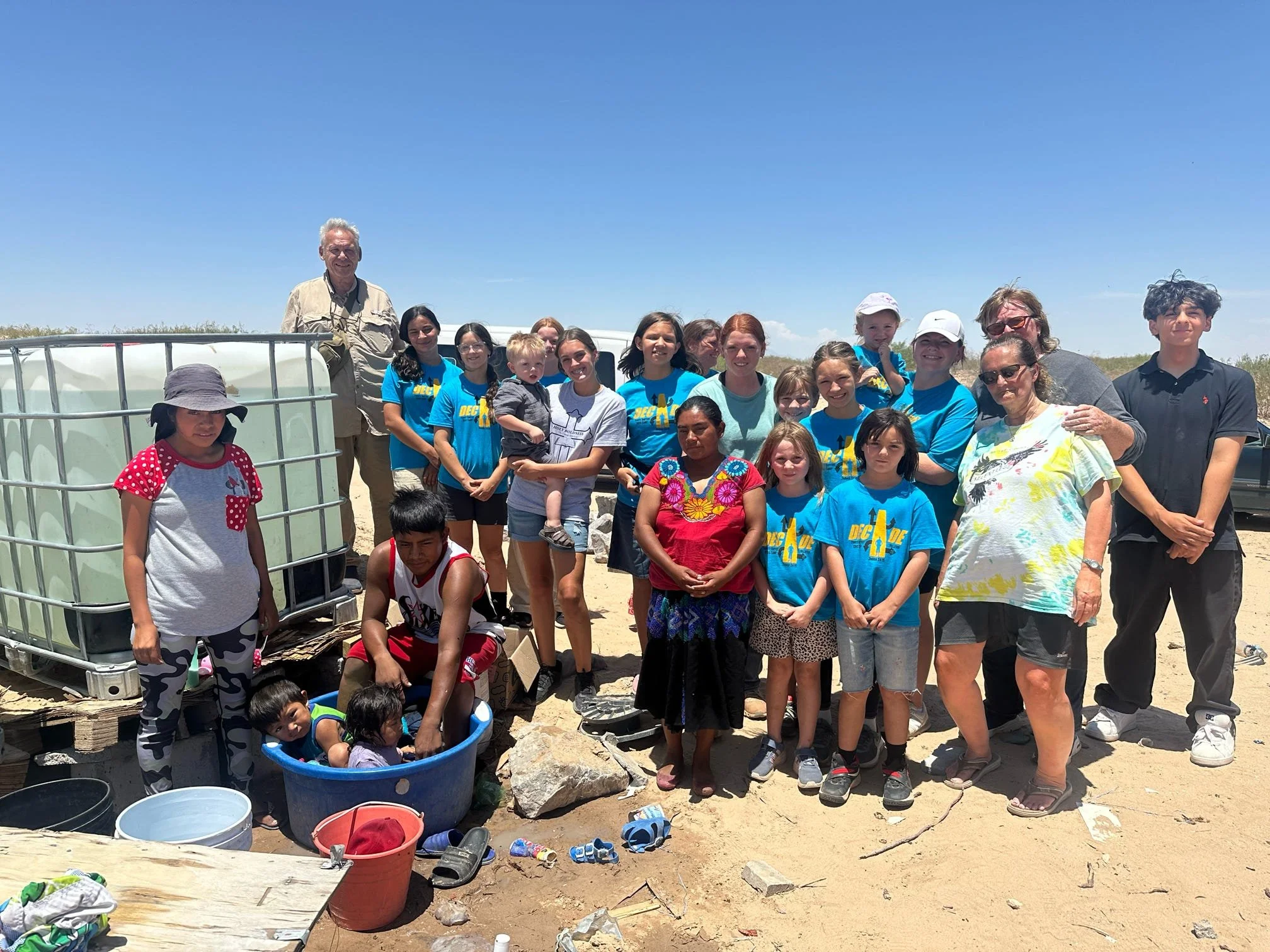
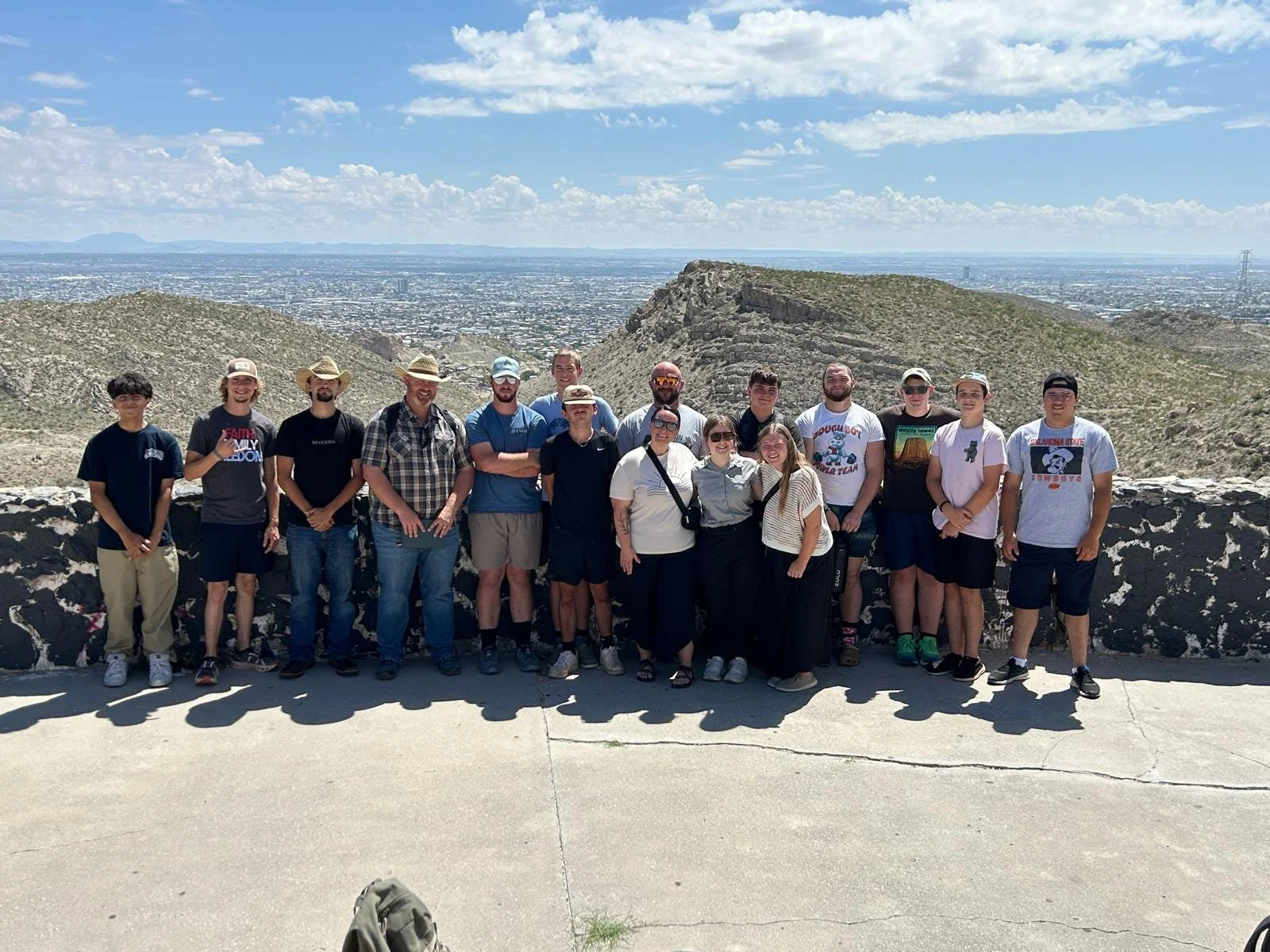
Depending on the team's size, the number of days in Juarez, the team's abilities, or the team's wishes, the scope of the service projects may vary widely. The following is not an exhaustive list, but some typical service projects for a team in Juarez. Teams might engage in more than one project per trip, or tailor projects to fit their abilities and resources. Here are some different projects to consider:
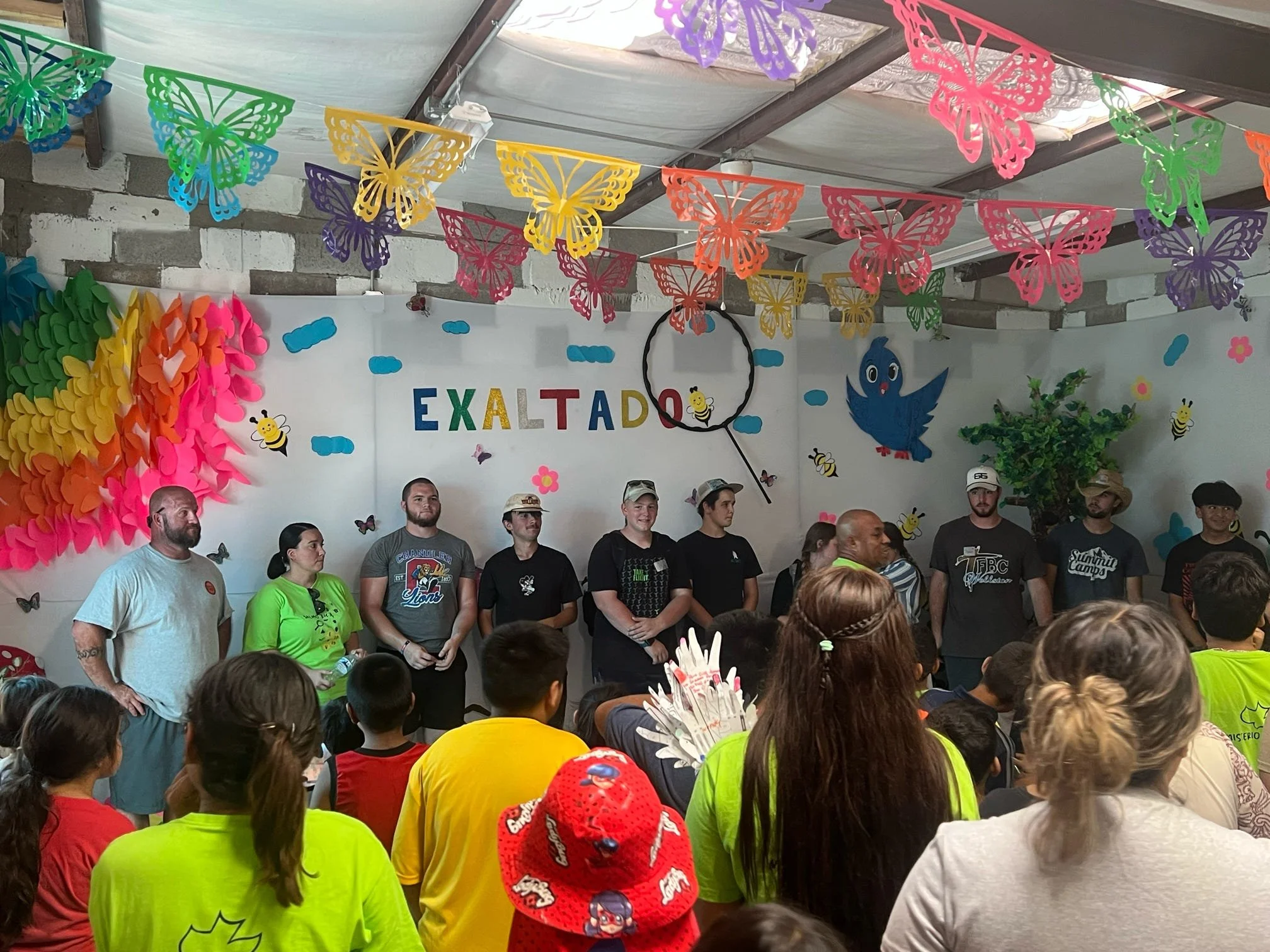
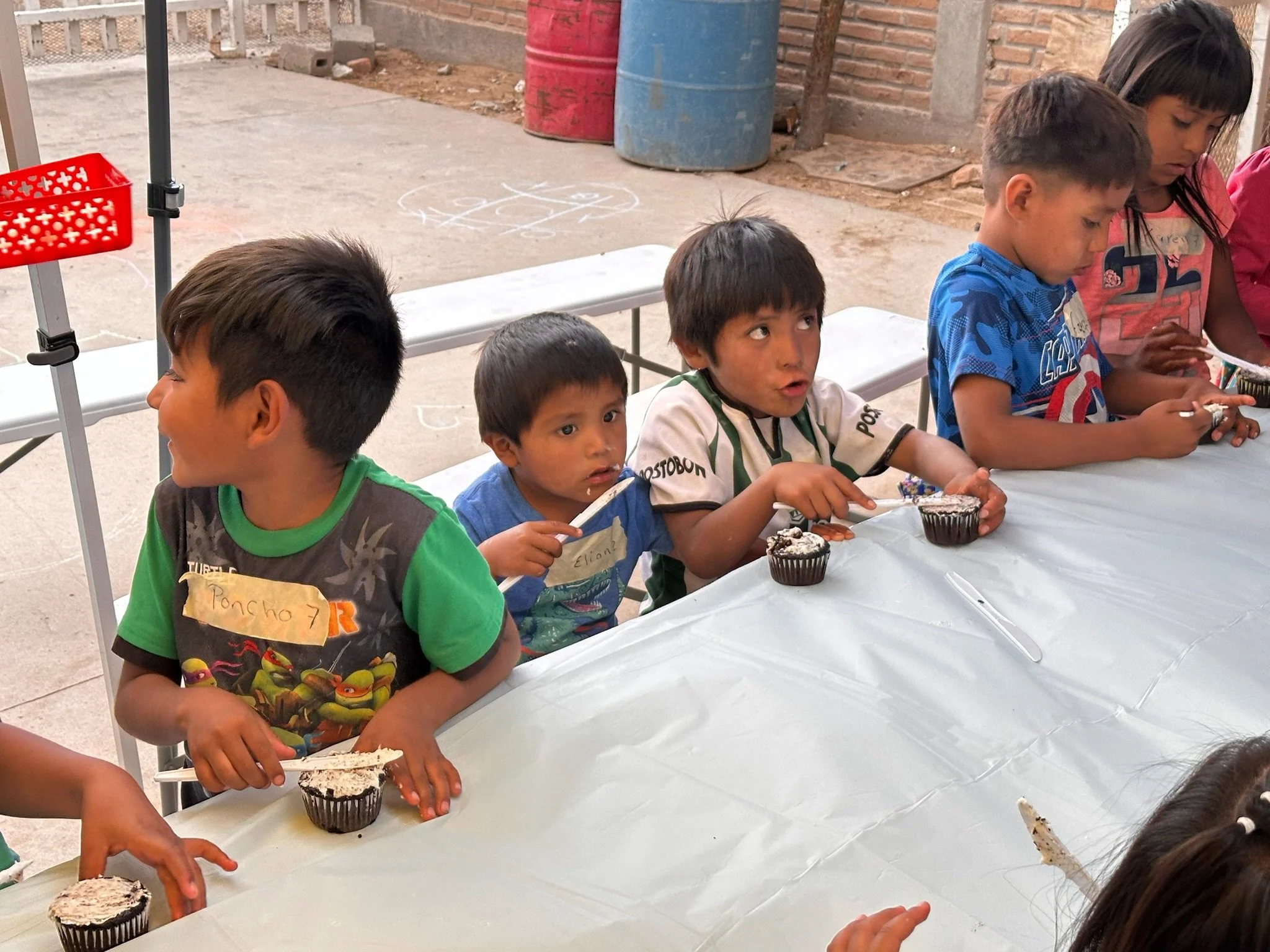
Vacation Bible School: Our partners in Juarez hold a VBS each summer. Teams are welcome to come and help with games, crafts, music, etc. The VBS varies in length from 3-5 days and is held at numerous locations in the city.
Kids Clubs: Various clubs are held throughout the week at different locations. A team could help with each one, and each one functions as a one-day VBS.
Vehicle Maintenance: Minor repairs such as windshield wipers, oil changes, air filters, tire pressure, brakes, coolant fluids, etc., are always needed for partners’ vehicles in Juarez. A team could spend several days helping ensure the vehicles are ready for the ministry ahead.
Homemaking: Baking, sewing, and other household tasks are always good opportunities for the ladies in Juarez to learn new skills and develop relationships with the women on the team.
Evangelism and Church outreach events: Crusades, teen nights, cookouts, door knocking, revivals, ladies’ meetings, men’s meetings, celebrations, holidays, etc., are all opportunities for teams to help the partnering Churches reach the community and share Jesus with people.
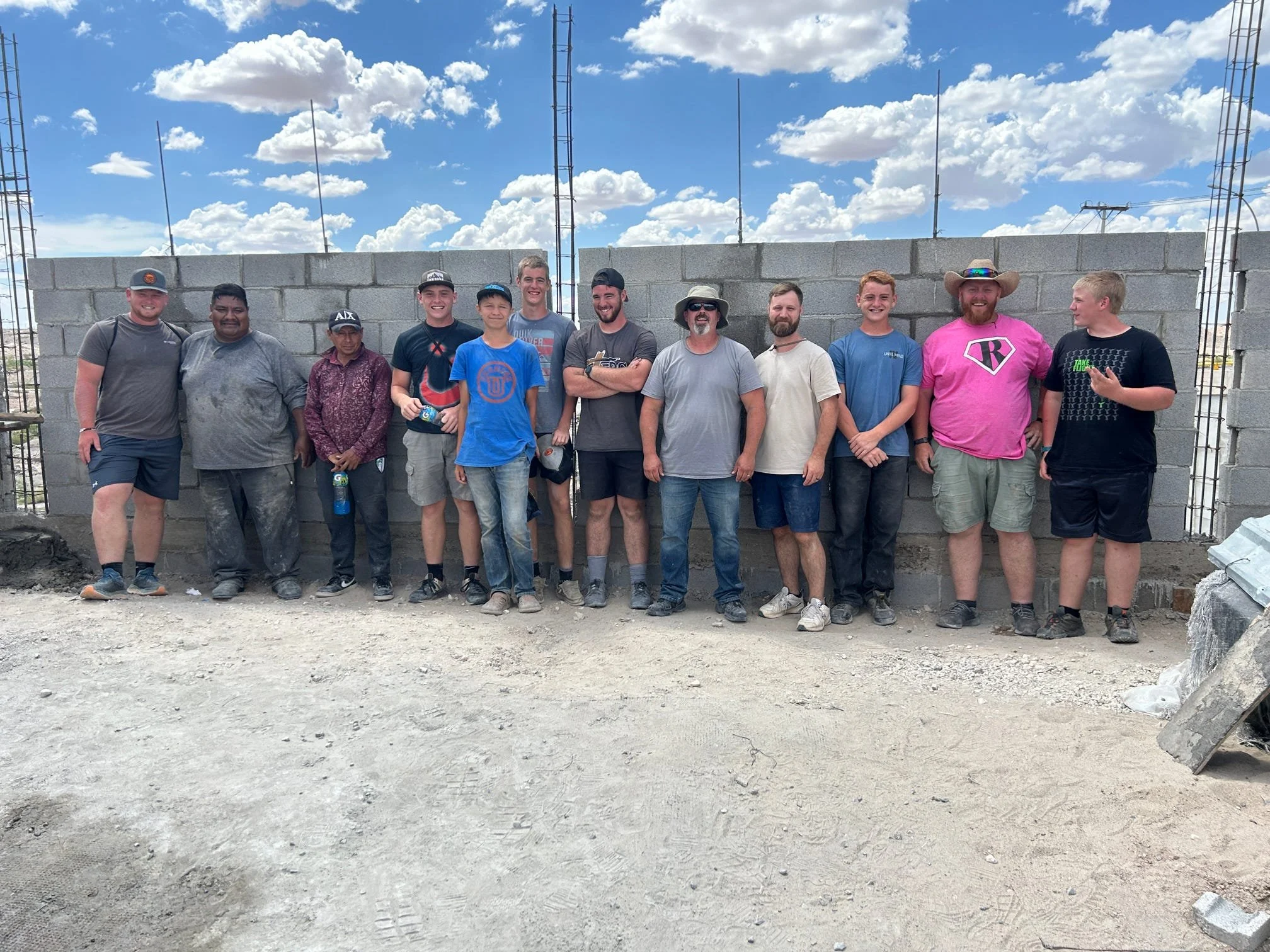
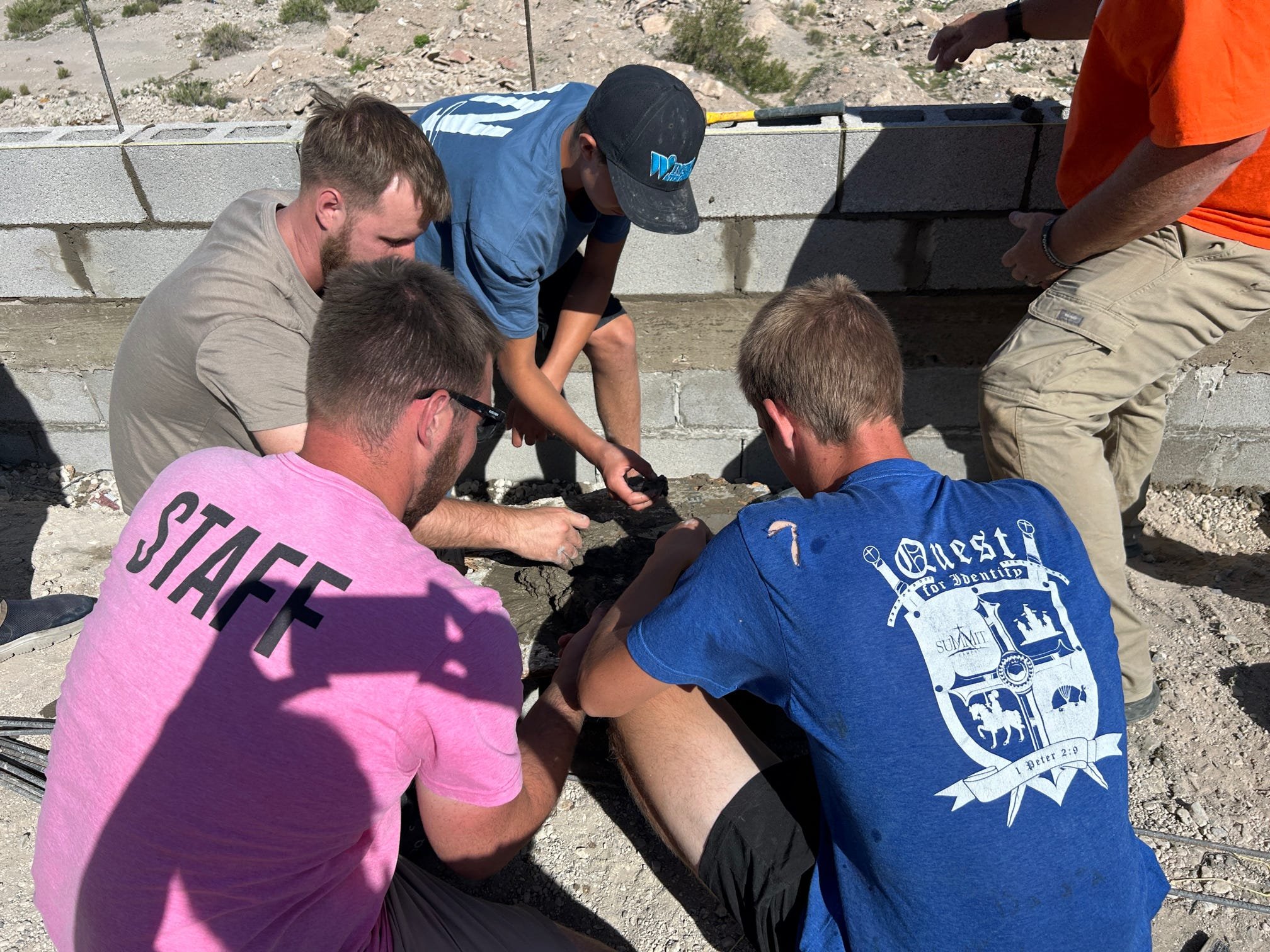
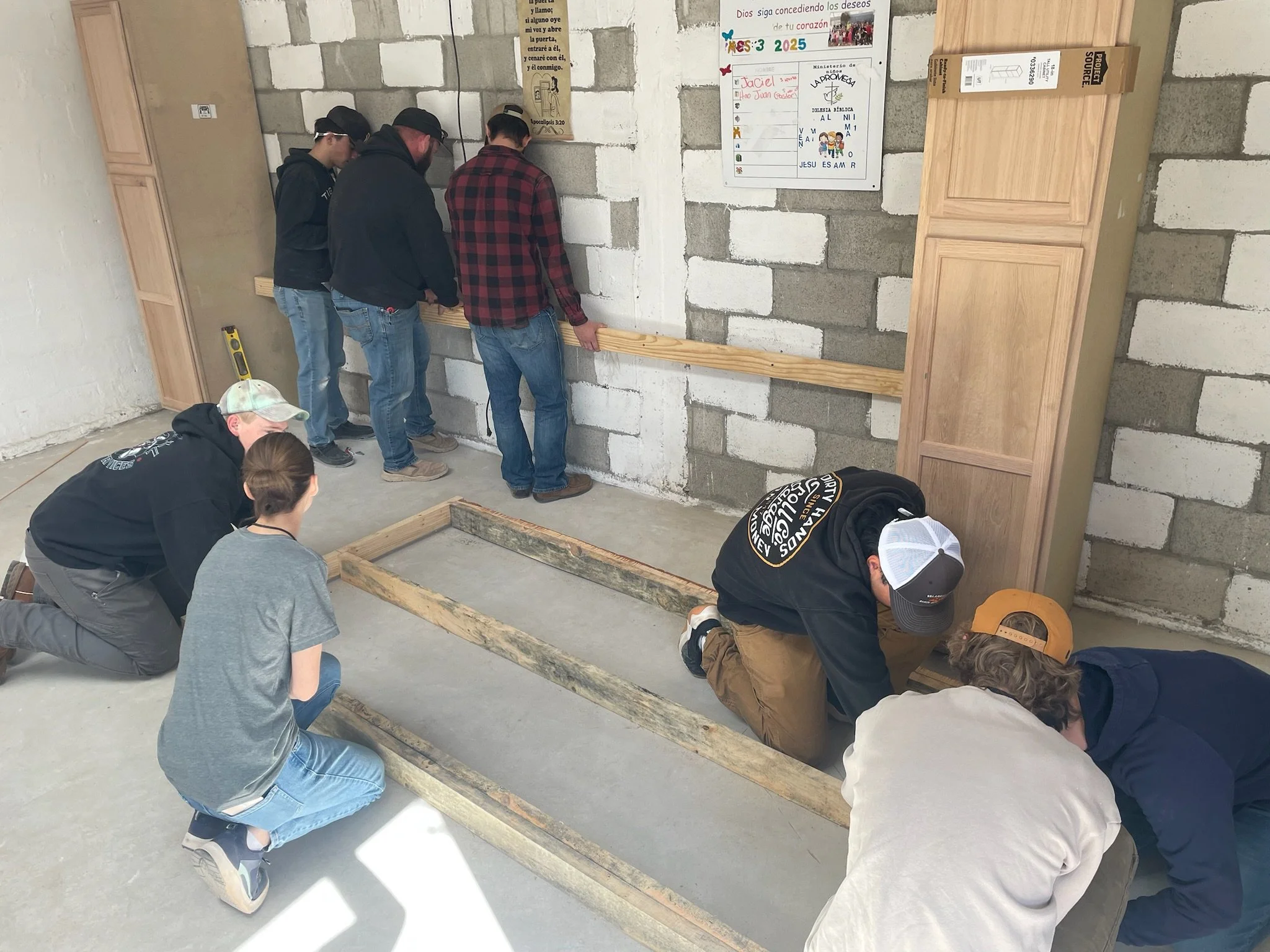
Construction: Physical improvements on buildings, Churches, facilities, and homes are always needed. The trades are extremely helpful in improving the quality of life and supporting the local Church. Painting, cleaning, leveling, and labor are always ways teams can serve the local Church and the community.
Community Service: Doulos partners with a nursing home and several drug rehabilitation centers. Teams are welcome to serve in those settings to encourage the staff, serve the residents, and share the love of Jesus. Doulos ministers to all the Fire Departments. Teams can help distribute supplies, offer encouragement, or express appreciation for those who serve the city.
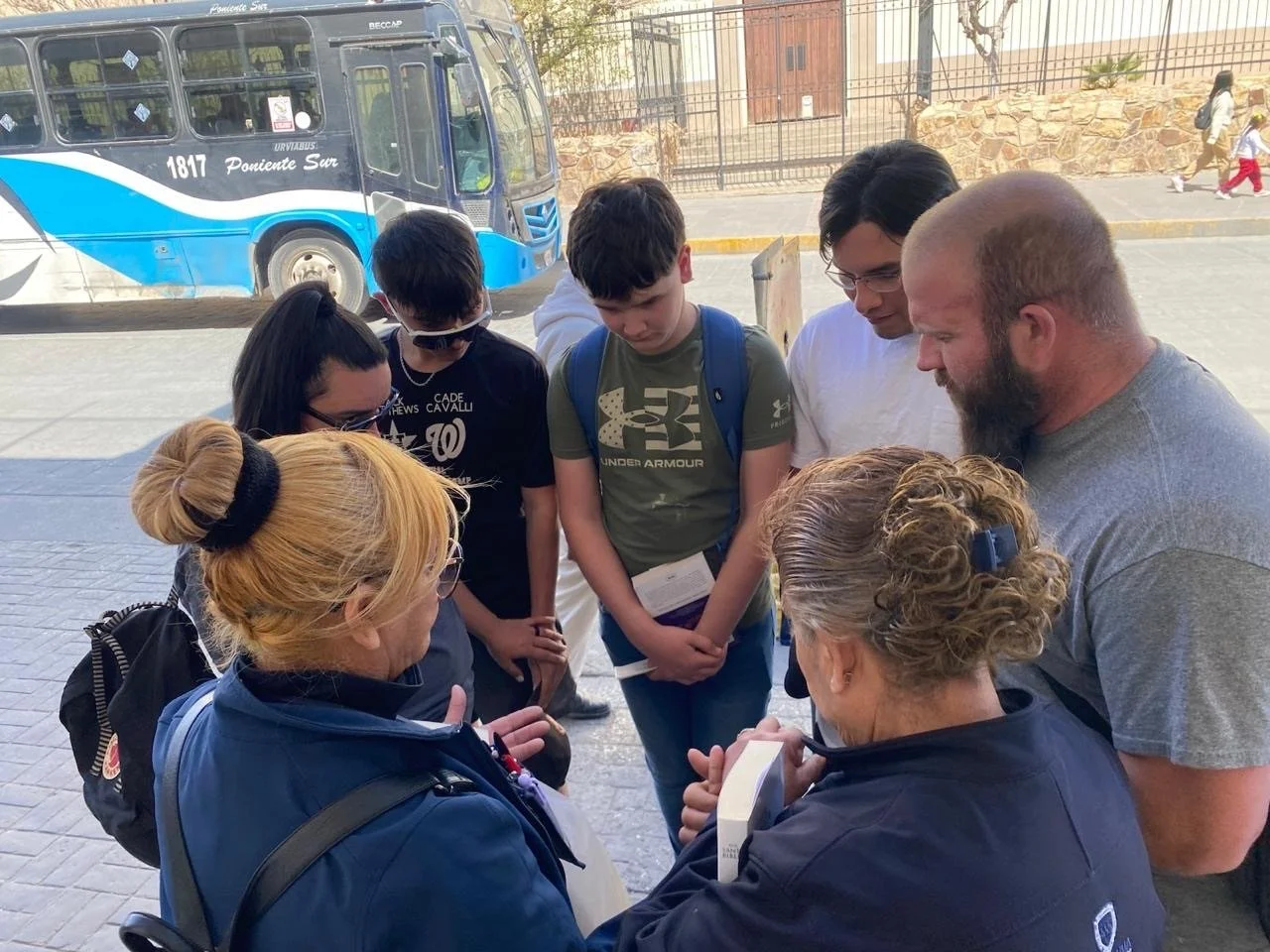
Street Evangelism and Preaching: The central/downtown areas of Juarez are ideal places for distributing Bibles, tracts, praying, and having gospel conversations. Preaching through an interpreter is also a ministry that a team could engage in.
And the list goes on: there are many other possible options, from helping at a school to serving meals to the hungry, serving migrants, etc. It is often a matter of what abilities, resources, time, or desires a team has. Spence always has ideas for what can be done, but please let him know what interests you in the initial conversations.
How long does a Mission Trip last?
The length of a trip depends on the time available. A typical trip involves one day of travel to El Paso, 4-5 days of ministry in Juarez, then a day of travel back home. Other trips can be longer or shorter depending on the team. There is no set time, and it is largely determined by the team's desires.
How long does a Mission Trip last?
The length of a trip depends on the time available. A typical trip involves one day of travel to El Paso, 4-5 days of ministry in Juarez, then a day of travel back home. Other trips can be longer or shorter depending on the team. There is no set time, and it is largely determined by the team's desires.
What do I bring for a Mission Trip?
Below is the standard packing list we request from each person attending. A team might bring more than what is on the list, but the team is asked to consider the transportation and handling of luggage and personal items to and from Juarez. The following is a list of things we request you not bring:
Pets, service animals, or other living species not human
Weapons (knives, guns, or other items you would not be able to take on a plane)
Immodest apparel (While in Juarez, you will be representing your team and Doulos Ministries. Doulos will not allow immodest or inappropriate attire. You will be asked to change, and if you did not bring acceptable clothing, Doulos will coordinate with your team leader to resolve the situation in a respectful manner.)
What about all the other details?
Below is a list of popular questions with answers to help you find more information. You will also find forms, policies, and other documents for you to view and print to share with others. Spence is happy to field any unanswered questions and help with them, but please know the best way to get your questions answered is to come and experience a trip for yourself and see what a trip to Juarez is like.
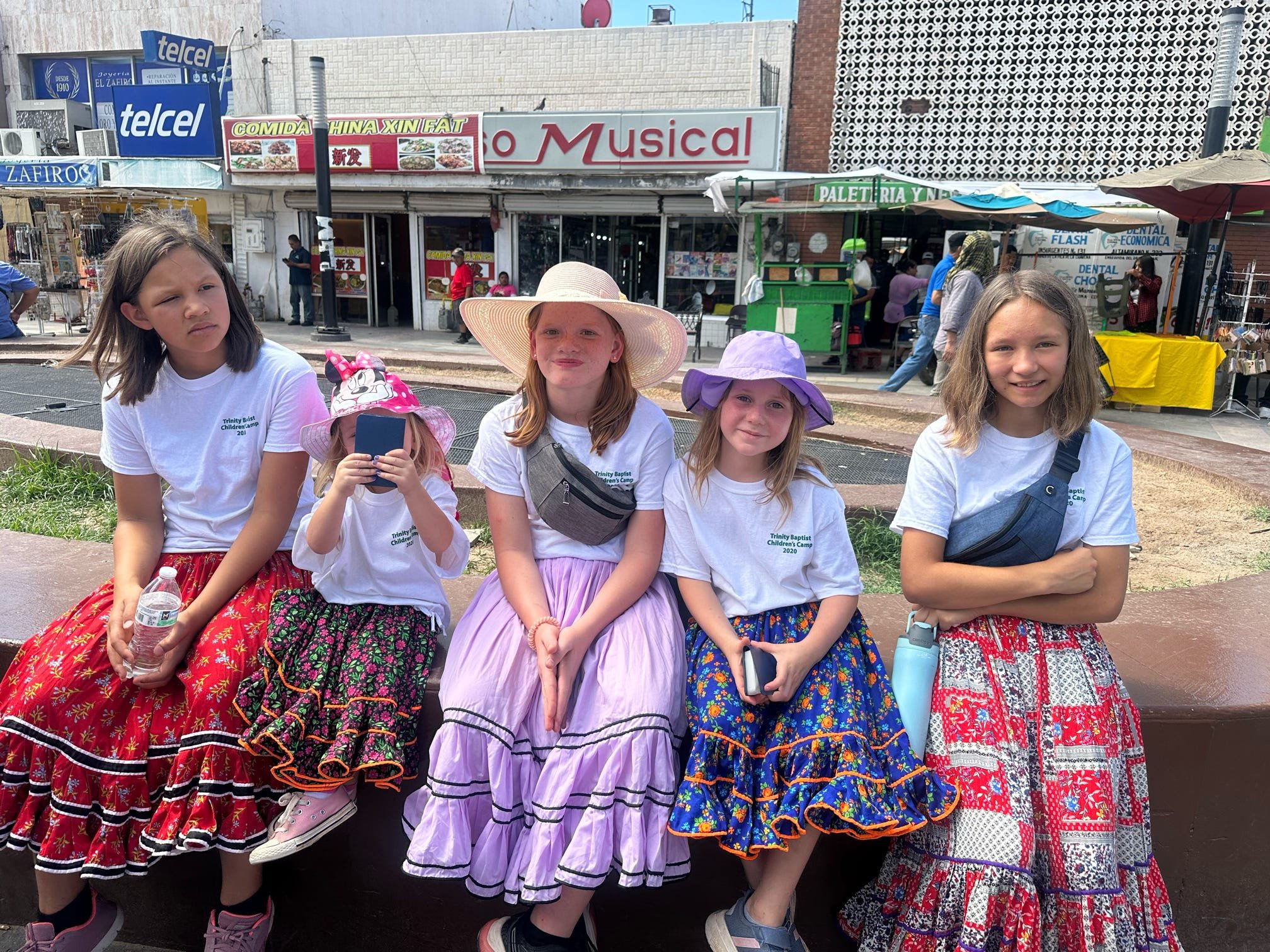
So, what now?
The first step in planning a trip is to begin praying for God’s direction and wisdom. The second step is to contact Spence to discuss timing, scope, and logistics. Spence will help refine dates and projects for your team. Through this process, you will receive expected costs, schedules, and additional details to help assemble a team and to pray for God’s direction. We are excited and ready to help you in any way we can pray, plan, and prepare to come and serve in Juarez. We look forward to serving with you soon.
Frequently Asked Questions:
1. If I have a physical disability, can I still serve?
For many disabilities, there is a place to serve in Juarez. We welcome and appreciate anyone willing to come and serve despite their limitations. Please let us know during the planning phase any limitations or needs we need to accommodate, and we will do everything we can to ensure you can serve in your capacity.
2. What happens if I need medical attention on the trip?
Depending on the need and circumstances, we will ensure you receive the attention you need. Hospitals, pharmacies, and clinics are all available in Juarez. If needed, we can also transport to El Paso for more specialized care.
3. Do I have to speak Spanish?
No, we have translators available to help throughout the day. We encourage everyone to improve their Spanish skills, but fluency is not a requirement for service in Juarez.
4. Can I exchange money or use U.S. currency in Juarez?
Yes, you can exchange U.S. currency into Mexican Pesos, and yes, you can use U.S. currency at many stores and vendors in Juarez. Not every store accepts U.S. currency, but many of your larger stores do.
5. How long does it take to cross the border?
Going into Juarez often takes less than 30 minutes, depending on traffic. Going into El Paso takes longer and varies depending on the time of day and the crossing point. We usually allow for 2-3 hours for crossing into El Paso.
6. Can I take photos and videos?
Yes, but please be respectful of the people you are photographing. Some communities do not like photos or videos, and if you are in those areas, the staff will let you know.
7. Can I share my experience on social media?
Yes, but names, addresses, and personal information are forbidden. You are welcome to share updates, pictures, videos, and information about yourself and your team, but we ask that you respect people’s privacy and not publicize individuals in the community.
8. Can I share my contact information with people in Mexico?
No, we ask you not share or exchange your personal information, social handles, or other data with the people in Juarez. If you would like to personally stay in contact with someone you meet on the trip after your trip, please discuss it with a Field Staff member to get further guidance and warnings.
9. May I give money or personal possessions to the people being served during the trip?
No, we ask for all donations or support to be directed through Doulos. It is common for team members to see needs or feel emotional connections with children, families, or others they meet on the trip. We understand the urge to be generous and are grateful for team members' willingness to sacrificially meet perceived needs in the community. However, we ask for those acts of generosity to pass through the staff and the ministry of Doulos. This protects the team member from fraud or deception and helps Doulos in the ministry strategy and gospel proclamation. If you desire to give while in Juarez, please start the conversation with a member of the Doulos staff.
10. Will I have time to shop for souvenirs?
Yes, time will be dedicated for you to shop for mementos, souvenirs, or other keepsakes to remember your time in Juarez.